Spring readiness across New Jersey
In spring, your lawn wakes up from winter dormancy. Start with a light mowing height and remove debris that smothers growing shoots. A soil test helps identify nutrient gaps, especially for phosphorus and potassium. A targeted fertilization plan supports early green-up without encouraging rapid, weak growth.
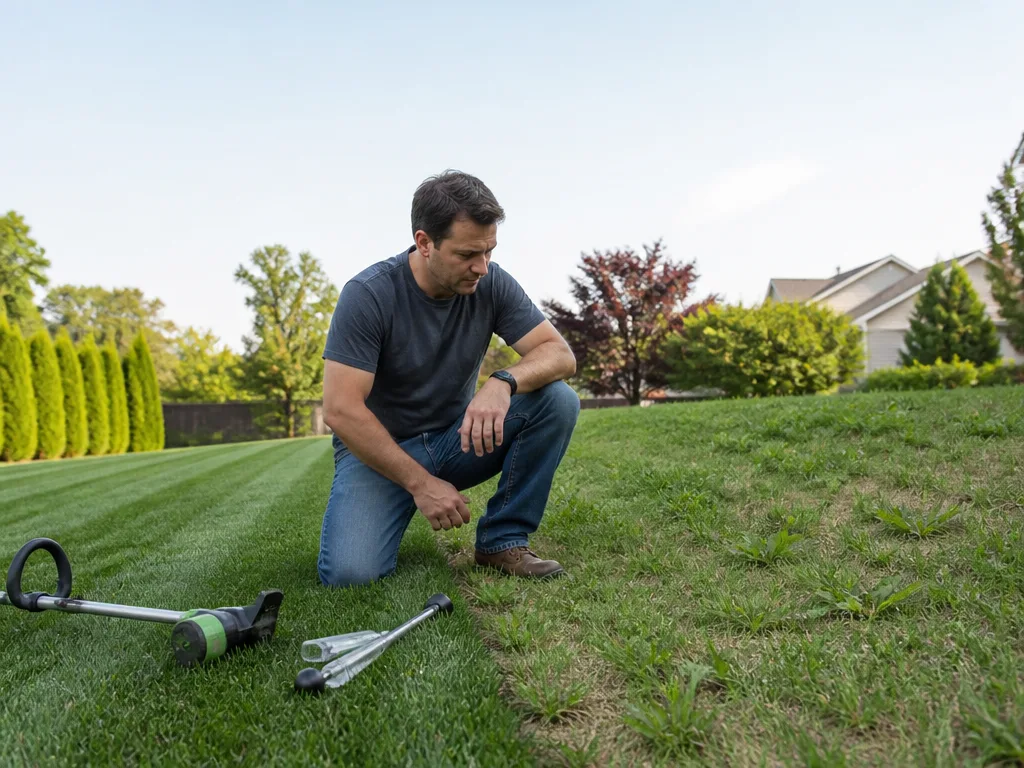
Protect new shoots from competition by keeping traffic light during the first few weeks after green-up. If you had thinning patches, overseeding in early spring gives you a head start on density before heat and humidity set in.
Summer care for heat and humidity
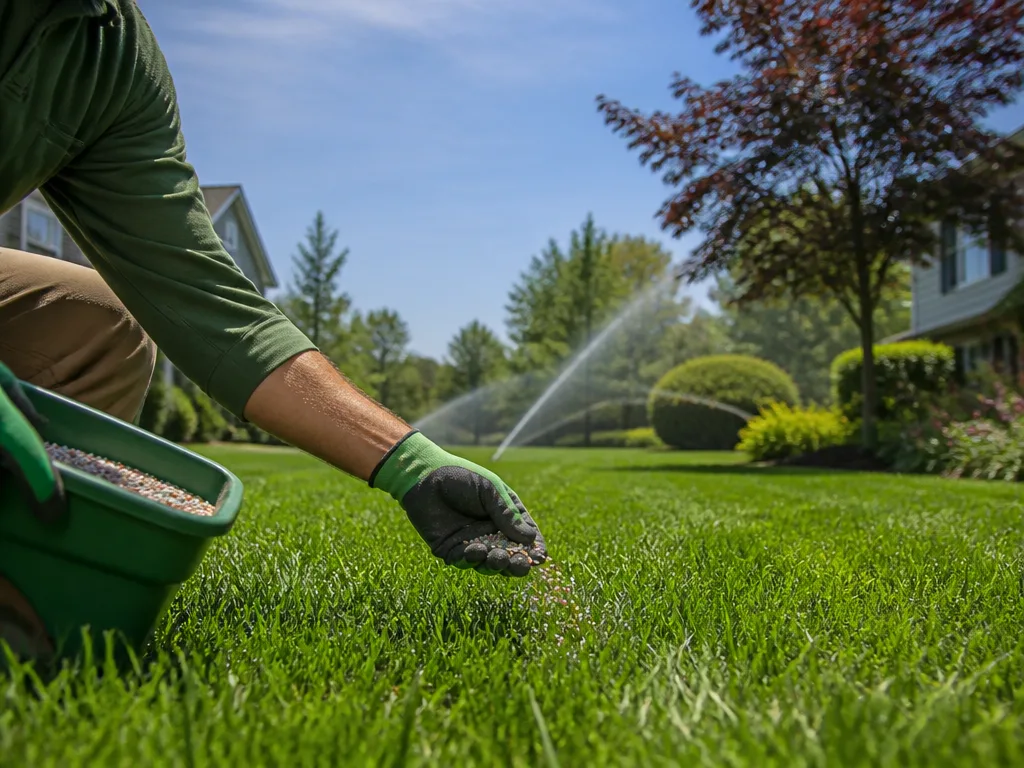
New Jersey summers bring heat and heavy rain in bursts. Water deeply and infrequently, aiming for about 1 inch of water per week including rainfall. Mornings work best to reduce evaporation and disease risk. Keep mower blades sharp and avoid scalping the lawn, which stresses grasses during peak heat. A light, balanced fertilizer in late spring or early summer can help but avoid heavy applications during heat waves.
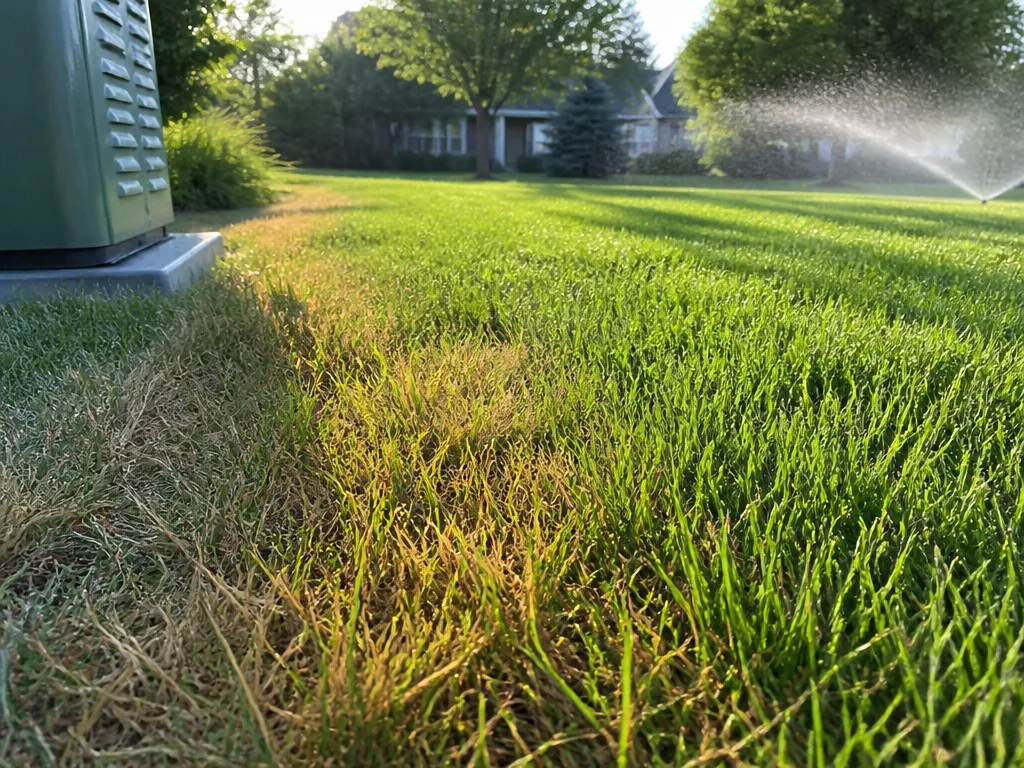
If you notice patchy areas, this may indicate drainage problems or soil compaction. A lawn care specialist can assess soil structure and recommend aeration or light top-dressings that fit the state-wide climate.
Autumn and winter prep
Fall is when you set the stage for the next growing season. Rake core debris, remove thatch buildup, and reduce irrigation as rainfall becomes more reliable. Overseeding in early fall helps grasses establish before winter. A final light fertilization step in late fall supports root reserves and helps green-up quickly in spring.
Across New Jersey, a consistent seasonal rhythm keeps lawns healthier. Work with a lawn care specialist to calibrate quantities and timing to your soil type and grass variety so you’re not guessing at what your lawn needs.