What to watch for across New Jersey
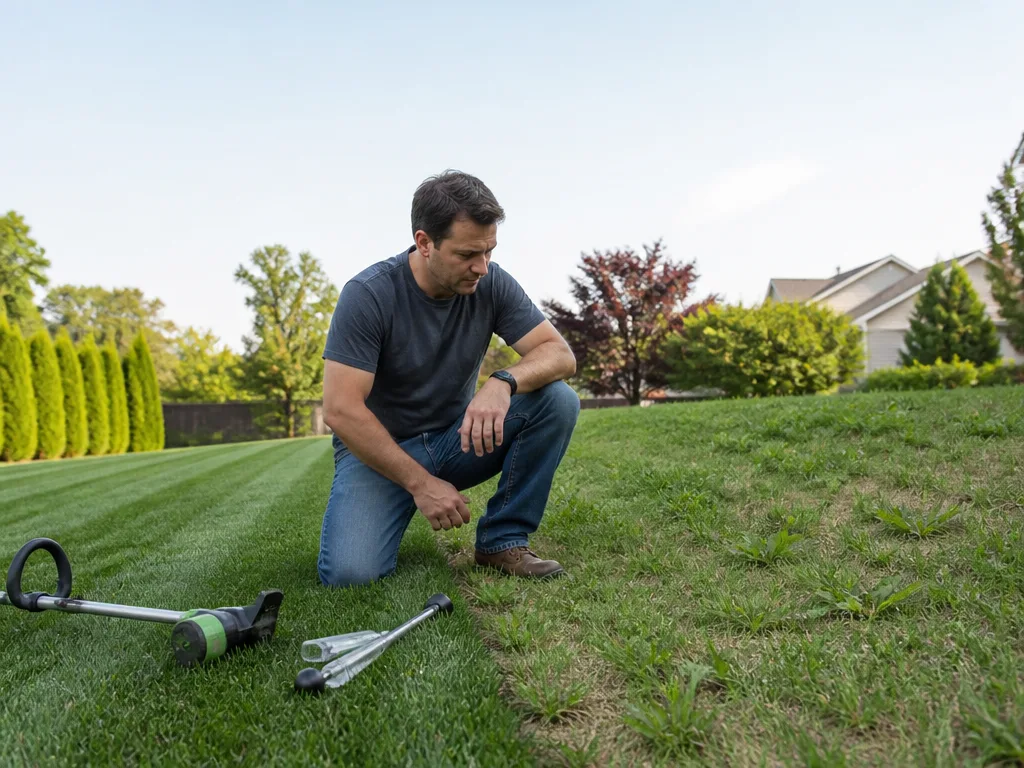
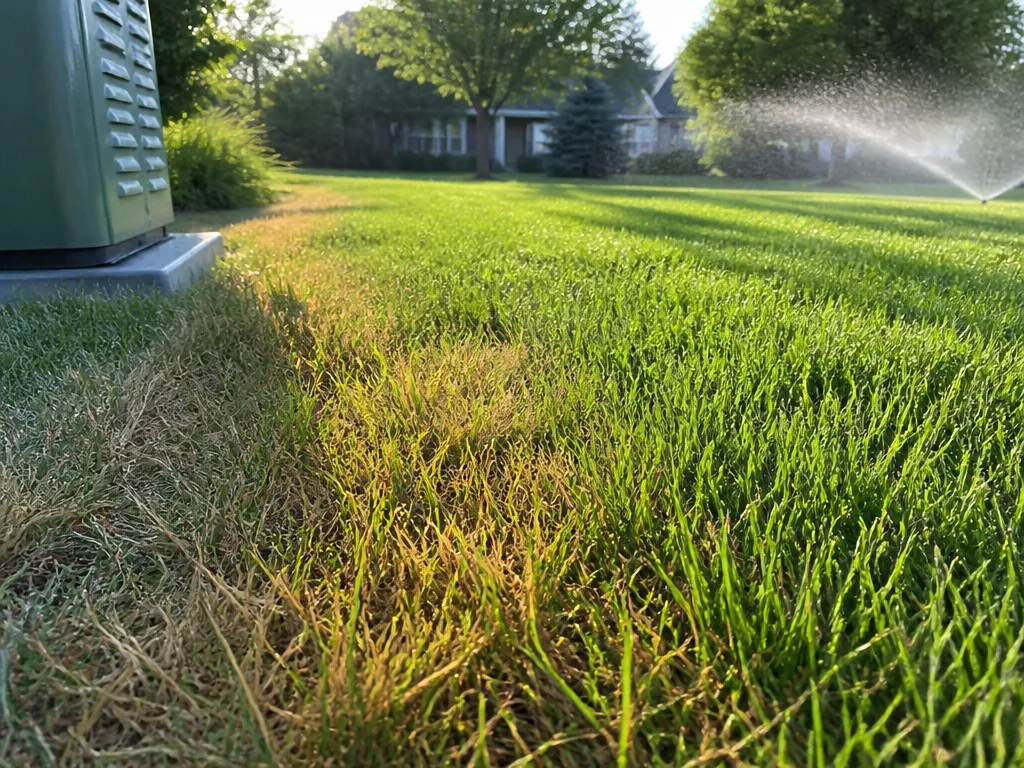
In New Jersey, our lawns face a mix of heat, humidity, and sudden cool snaps. A warning sign can show up as thin patches, uneven color, or grass that turns grayish in areas that stay damp. Our crews in every New Jersey metro see this pattern year after year: you might notice patches that feel spongy after a rain, or grass that stops growing in the shade. Start with a quick check in the first light of the day to see where trouble gathers.
A closer look often reveals two common culprits: soil that’s compacted and roots that aren’t getting enough air. Compact soil makes it hard for water to drain and roots to breathe, and that leads to patchy growth. If you see lettuce-like clumps or a spongy feel when you step on the turf, that can point to that issue. Across New Jersey, homeowners report similar patterns when the lawn is crowded by weeds or when thatched layers build up over the soil.
Simple diagnostics you can do
First, pull back a small section of turf in a few places. If the soil is packed tightly or you can’t press it with your finger to the depth of an inch, that’s a sign to consider aeration. Next, check the color and density of the roots. Healthy roots should extend into the soil evenly, not just near the surface. If you find a shallow, wiry root system, it’s time to talk to a lawn care specialist about improving soil structure.
Another common indicator is any green band around the edges of patches. That often means grasses are growing, but interior crowns are stressed or dying. In New Jersey’s climate, that stress often comes from heat combined with poor drainage after a storm. If you notice those bands or weepy yellowing, it’s worth a professional look to prevent further spread.
What a lawn care specialist can do
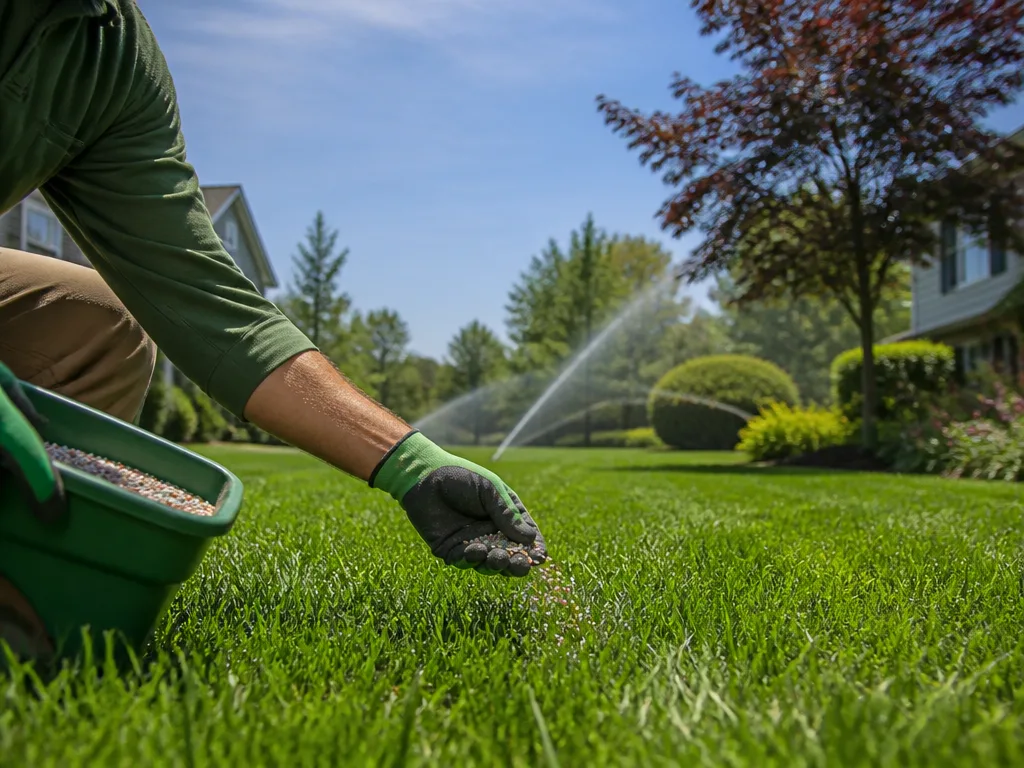
Our team across New Jersey uses soil testing as a starting point. A practical approach is core aeration to relieve compaction and improve air, water, and nutrient movement. We tailor recommendations to your soil type, whether you’re on a loamy mix in central counties or sandy soils along the coast. After aeration, overseeding helps rebuild density in thin areas so you get a more uniform lawn again.
We’ll also review drainage and grading near problem patches. A simple fix like adjusting mower height or improving surface runoff can reduce future stress. In cases where pests or disease show up, a lawn care specialist will identify the issue and suggest a course that fits New Jersey conditions without overdoing it.
Action steps you can take now
- Set mower height to 2.5–3.0 inches for typical New Jersey lawns during peak growing months.
- Keep a deeper soil moisture rhythm; water early in the day and avoid soaking the soil in the evening.
- Schedule a soil test and a professional assessment if patches persist beyond two mowing cycles.